5 Signs It’s Time to Remove a Tree from Your Property

A tree can add beauty, shade, and value to your property—but when it becomes damaged, diseased, or unstable, it can quickly turn into a serious safety risk. Knowing when to remove a tree is essential for protecting your home, your family, and your investment.
In many cases, the warning signs are visible if you know what to look for. Acting early can prevent property damage, costly repairs, and dangerous situations.
Why Tree Removal May Be Necessary
Tree removal is often a last resort, but it becomes necessary when a tree can no longer be safely maintained. Environmental stress, disease, and structural damage can weaken trees over time, especially in areas with strong storms and seasonal weather changes.
Common reasons for removal include:
- Severe structural instability
- Advanced disease or decay
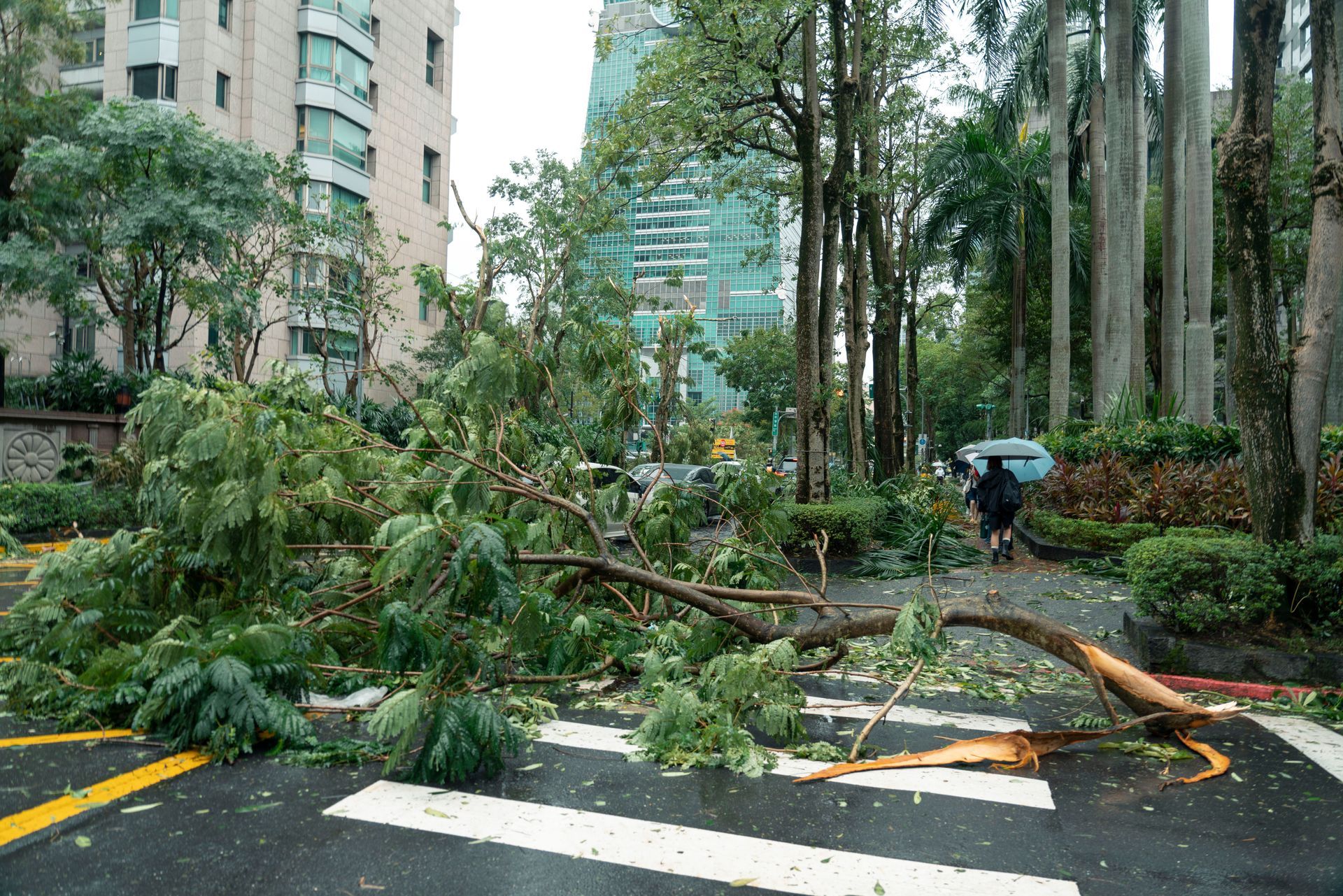
- Storm damage that compromises safety
- Root systems damaging foundations or driveways
- Dead or dying trees that can fall unexpectedly
Ignoring these issues can lead to significant risks, especially during high winds or heavy snowfall.
Sign #1: The Tree Is Dead or Dying
One of the clearest indicators that a tree needs to be removed is its overall health. A dead or dying tree becomes brittle and unstable, making it more likely to collapse without warning.
Signs of a dying tree include:
- No leaves during the growing season
- Large sections of dead branches
- Peeling or missing bark
- Fungal growth at the base of the trunk
- Discolored or sparse foliage
Dead trees should be removed as soon as possible to prevent accidents and property damage.
Sign #2: The Tree Is Leaning or Unstable
A tree that is suddenly leaning or showing signs of instability may have structural or root damage. While some trees naturally grow at an angle, a noticeable change in position is often a warning sign.
Watch for:
- Sudden leaning after a storm
- Exposed or damaged roots
- Cracks in the soil around the base
- Shifting ground or uplifted roots
These conditions indicate that the tree may be at risk of falling and should be evaluated immediately.
Sign #3: Large Branches Are Falling or Cracking
Falling branches are not just an inconvenience—they can be a serious hazard. If a tree is regularly dropping large limbs, it may indicate internal decay or structural weakness.
Common warning signs include:
- Cracks in major branches
- Hollow or soft wood
- Branches breaking during mild weather
- Hanging or partially detached limbs
If these issues are present, removal may be safer than attempting to preserve the tree.
Sign #4: Disease or Pest Infestation
Trees affected by disease or pests can deteriorate quickly. In some cases, the damage may spread to nearby trees or plants if not addressed.
Look for:
- Unusual spots, discoloration, or leaf loss
- Visible insect activity or bore holes
- Fungal growth on the trunk or roots
- Weak or brittle branches
While some issues can be treated, severe infestations or advanced disease often require removal to protect the surrounding landscape.
Sign #5: The Tree Is Causing Property Damage
Tree roots and branches can interfere with structures if left unchecked. Over time, this can lead to costly repairs and safety concerns.
Signs of property impact include:
- Roots lifting sidewalks or driveways
- Damage to foundations or underground pipes
- Branches scraping against roofs or siding
- Trees growing too close to buildings or power lines
In these cases, removal may be the most effective way to prevent further damage.
Additional Warning Signs to Watch For
In addition to the main indicators, there are other signs that may suggest a tree is becoming hazardous:
- Hollow trunk or visible internal decay
- Multiple dead limbs throughout the canopy
- Poor growth compared to surrounding trees
- Repeated storm damage
If you notice any combination of these issues, it’s best to have the tree professionally evaluated.
Why Early Action Matters
Waiting too long to remove a hazardous tree can lead to serious consequences. Trees that are already compromised are more likely to fail during storms or high winds.
Taking action early helps:
- Prevent damage to homes, vehicles, and structures
- Reduce the risk of injury
- Avoid emergency removal costs
- Maintain the overall health of your landscape
Proactive decisions are always safer and more cost-effective than reactive ones.
The Importance of Professional Tree Removal
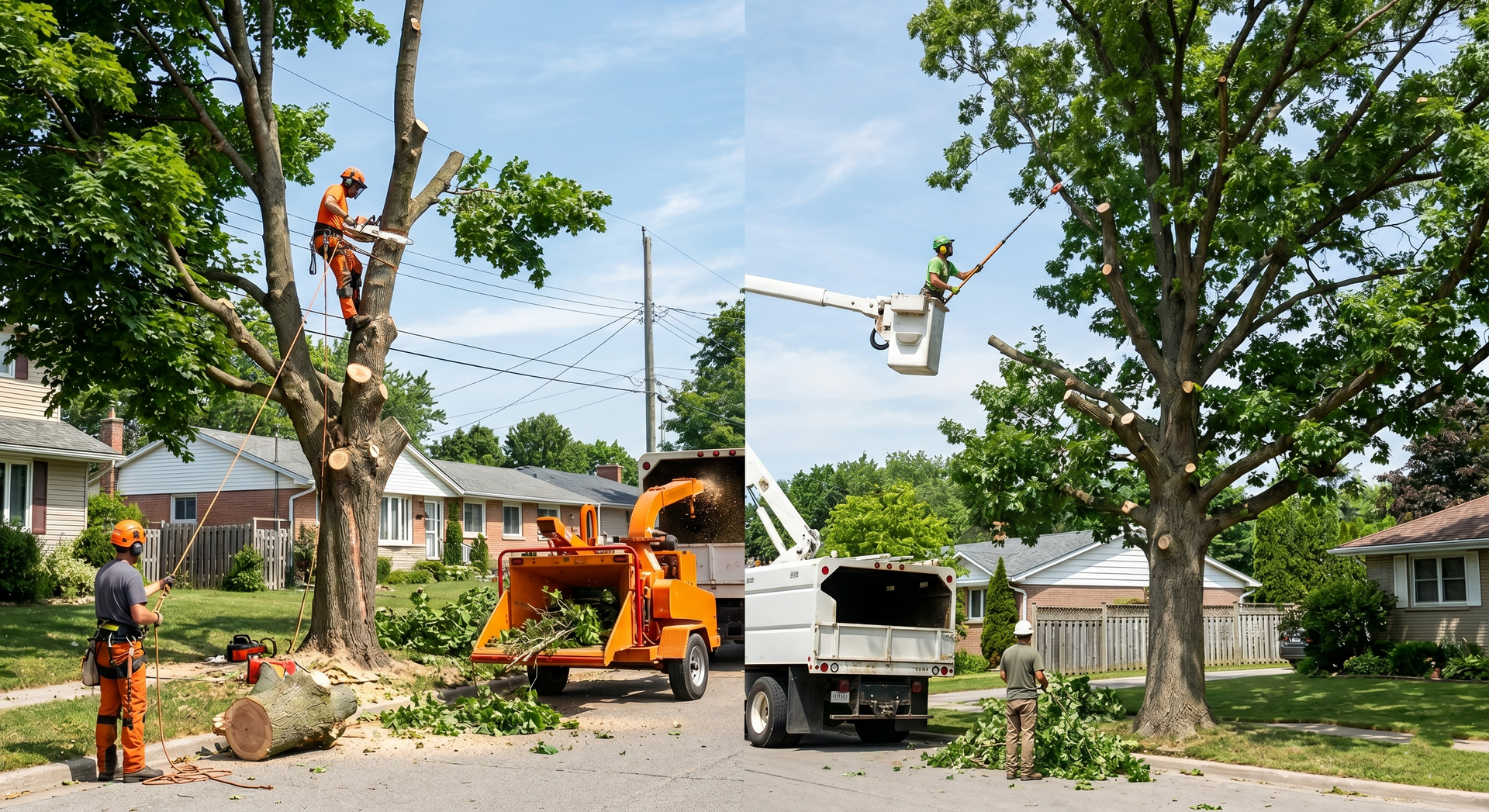
Tree removal is a complex and potentially dangerous process. It requires proper equipment, experience, and safety procedures to ensure the job is done correctly.
Professional tree removal provides:
- Safe and controlled removal of hazardous trees
- Protection for surrounding property and structures
- Efficient cleanup and debris removal
- Proper handling of large or difficult trees
Attempting to remove a tree without the right tools or expertise can result in serious injury or damage.
Frequently Asked Questions
How do I know if my tree needs to be removed immediately?
If the tree is leaning, has large dead branches, or shows signs of severe damage, it should be evaluated right away.
Can a diseased tree be saved?
Some trees can be treated, but advanced disease often requires removal to prevent further spread.
Is tree removal expensive?
Costs vary based on size, location, and complexity, but removing a dangerous tree is often less expensive than repairing damage it could cause.
Do I need a permit to remove a tree?
Permit requirements vary by location, so it’s best to check with your local municipality.
Take the Next Step
If you’ve noticed any of these warning signs, it’s important to act before the problem worsens. Removing a hazardous tree protects your property and ensures the safety of everyone around it.
Shaffer Tree Service provides expert tree removal, trimming, and cleanup services throughout New Castle, PA and surrounding areas. Whether you need a professional assessment or immediate removal, you can rely on experienced service to handle the job safely.
Contact Shaffer Tree Service today for a free estimate:
- Phone: (724) 944-2599
- Email: shaffertreeservice@yahoo.com
Serving New Castle, PA and all areas within a 40-mile radius.