How Often Should You Schedule Tree Trimming in New Castle, PA?

April 8, 2026

Keep your trees healthy and safe with expert local tips.

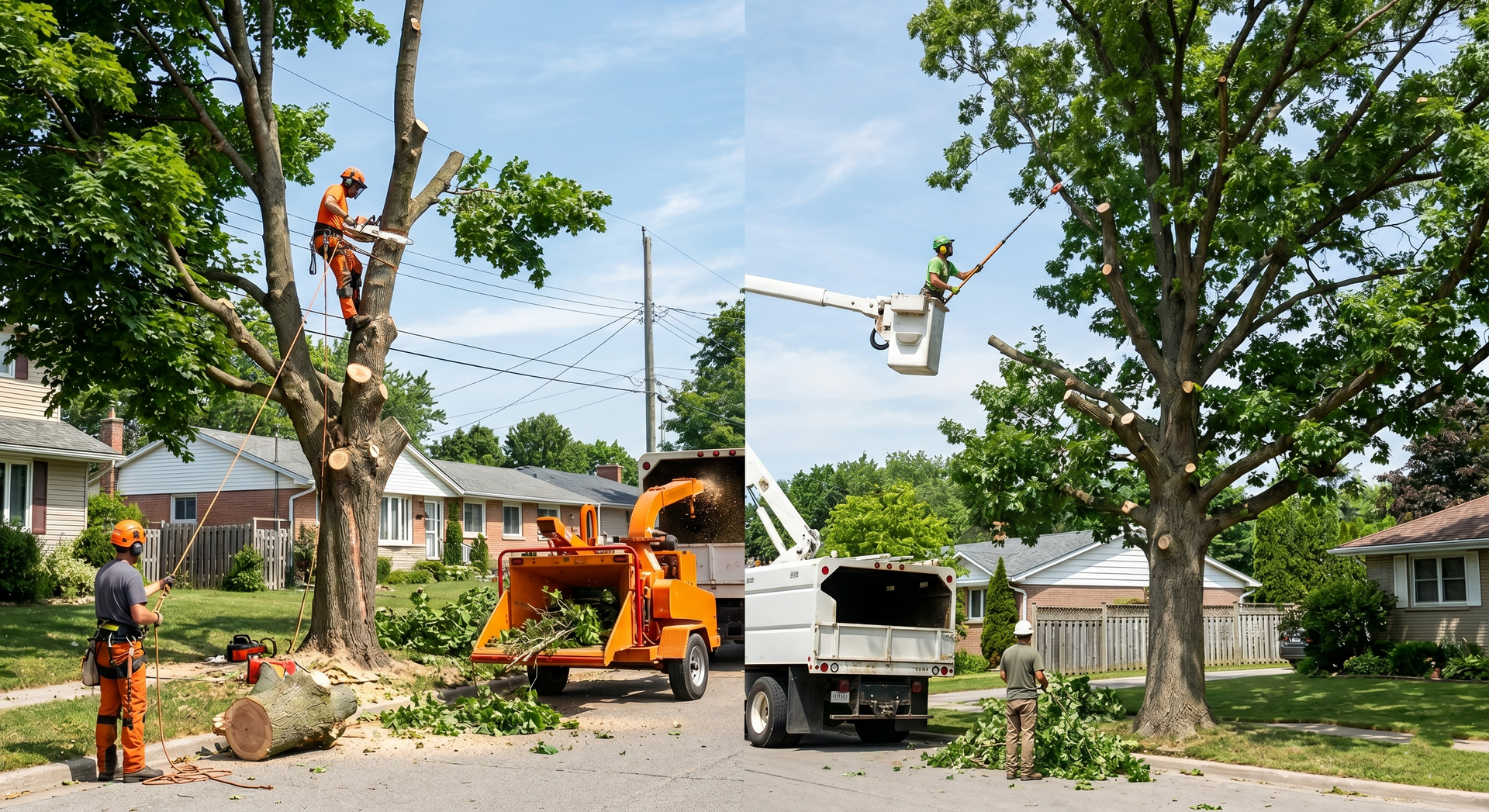
A professional arborist in a high-visibility vest cuts a large tree branch while a colleague assists from the ground.

Tree trimming should generally be scheduled every 1–3 years, but the ideal frequency depends on factors like tree species, age, location, and exposure to weather conditions. In regions like Western Pennsylvania, where seasonal storms, heavy snow, and fluctuating temperatures are common, consistent trimming plays a critical role in maintaining both safety and tree health.

For homeowners and property managers, regular tree maintenance is not just about appearance—it’s about preventing costly damage, improving long-term growth, and ensuring your landscape remains safe and functional year-round.

Why Tree Trimming Matters for Property Owners

Trees are a valuable asset to any property, offering shade, privacy, and curb appeal. However, without proper maintenance, they can quickly become liabilities. Overgrown branches, weak limbs, and dead wood can pose serious risks, especially during storms or high winds.

Routine tree trimming helps reduce these risks while also promoting stronger, healthier growth. By removing dead or diseased branches, you allow the tree to direct energy toward new, healthy development.


Key benefits of regular tree trimming include:

  • Preventing property damage from falling limbs
  • Encouraging strong, healthy growth patterns
  • Improving curb appeal and overall landscape appearance
  • Increasing sunlight penetration and air circulation
  • Reducing safety risks during storms and high winds

Another important advantage is protecting your home and surrounding structures. Branches that grow too close to roofs, power lines, or driveways can cause significant damage if left unmanaged.

In areas like New Castle, PA and nearby communities, where weather patterns can be unpredictable, proactive tree care is essential. Snow and ice buildup can place extra stress on already overgrown branches, increasing the likelihood of breakage.

General Guidelines for Tree Trimming Frequency

While there is no one-size-fits-all schedule, most trees fall into general maintenance categories based on their maturity and growth rate.

A simple way to think about trimming frequency:

  • Young trees: every 2–3 years to shape structure
  • Mature trees: every 3–5 years for maintenance
  • High-risk trees: annually if near homes, roads, or power lines
  • Fast-growing species: more frequent trimming may be needed

Young trees benefit from early pruning because it helps establish a strong framework. This reduces the likelihood of structural issues as the tree matures.

Mature trees require less frequent trimming but still need regular inspections to remove deadwood and maintain balance.

Signs Your Trees Need Immediate Trimming

Even with a schedule in place, certain warning signs indicate your trees need attention right away.

Watch for these common indicators:

  • Dead, cracked, or hanging branches
  • Limbs extending over your roof or driveway
  • Branches touching power lines or structures
  • Dense canopies blocking sunlight
  • Branches rubbing or crossing each other
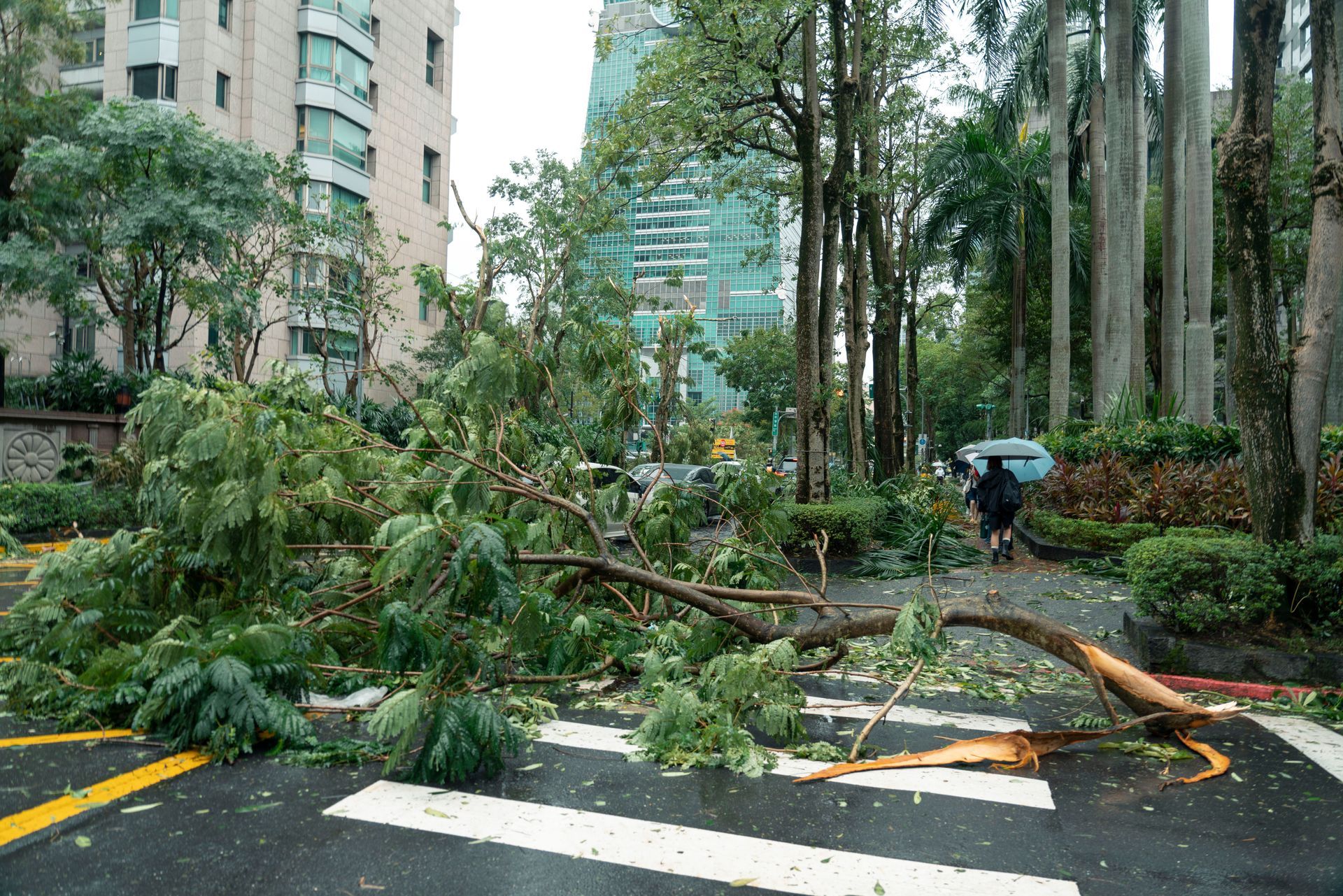
  • Visible storm damage or splitting

Addressing these issues early can prevent more serious problems, including property damage or complete tree failure.

When Is the Best Time to Trim Trees?

Timing plays a crucial role in effective tree care. In most cases, late winter to early spring is considered the ideal time for trimming.

This timing offers several advantages:

  • Trees are dormant, reducing stress
  • Cuts heal faster during the growing season
  • Structure is easier to see without leaves
  • Lower risk of disease spread

However, safety concerns should always take priority. If a tree becomes hazardous due to storm damage or decay, trimming should be done immediately regardless of the season.

Professional Tree Trimming vs. DIY

While some homeowners may attempt to trim their own trees, the risks often outweigh the benefits. Tree trimming requires proper technique, equipment, and safety awareness.

DIY tree trimming often leads to:

  • Improper cuts that damage tree health
  • Increased risk of personal injury
  • Incomplete removal of hazardous branches
  • Long-term structural issues

Hiring a professional ensures:

  • Correct pruning techniques
  • Safe handling of equipment and heavy limbs
  • Proper assessment of tree health
  • Efficient and thorough cleanup

For property owners in New Castle, PA, working with an experienced local company like Shaffer Tree Service ensures your trees are cared for properly based on regional conditions.

How Tree Trimming Supports Long-Term Property Value

Consistent tree maintenance is a smart investment that pays off over time. Well-maintained trees not only enhance the appearance of your property but also contribute to its overall value.

Long-term benefits include:

  • Increased curb appeal for buyers and visitors
  • Reduced risk of costly property damage
  • Improved energy efficiency through better shade control
  • Healthier landscape with balanced growth
  • Higher overall property value

From a landscaping standpoint, trimming helps create a cleaner, more organized outdoor space. It also allows other plants and grass to thrive by improving light exposure and airflow.

Frequently Asked Questions

How much does tree trimming typically cost?

Costs vary depending on the size, condition, and location of the tree. Smaller jobs may cost a few hundred dollars, while larger or more complex projects can be higher.


Can trimming harm a tree?

Yes, if done incorrectly. Proper pruning techniques are essential to maintain tree health and prevent long-term damage.


Do you need a permit for tree trimming?

Most residential trimming projects do not require permits, but it’s always best to confirm with your local municipality.


How do I know if my tree is too close to my house?

If branches are touching or hanging over your roof, trimming is recommended to prevent damage and reduce pest access.

Take the Next Step

If your trees haven’t been trimmed in several years—or if you’re noticing signs of overgrowth or damage—it’s time to take action. Preventative maintenance is the best way to avoid costly repairs and keep your property safe.

Shaffer Tree Service provides professional tree trimming, cleanup, and maintenance services throughout New Castle, PA and the surrounding areas. Whether you need routine care or urgent service after a storm, expert help ensures your trees remain healthy and your property protected.

Call today or request your free estimate:

  • Phone: (724) 944-2599
  • Email: shaffertreeservice@yahoo.com

Serving New Castle, PA and surrounding communities within a 40-mile radius.